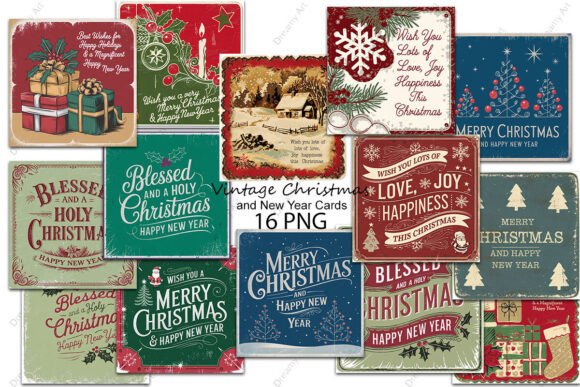
Reviewing Vintage Christmas and New Year Cards for Embroidery
As a designer who has spent years translating digital art into thread, I approach every new machine embroidery design with a mix of excitement and skepticism. We have all been there: you see a beautiful graphic online, purchase the digital embroidery file, and then watch in horror as it puckers your fabric or turns into an indecipherable blob of thread. That is why I took a close, practical look at Vintage Christmas and New Year Cards. This isn’t just about whether the image looks cute on a screen; it is about how it performs under the needle, how it holds up after washing, and whether it adds genuine value to a handmade product.
The First Impression: Nostalgia Meets Stitchability
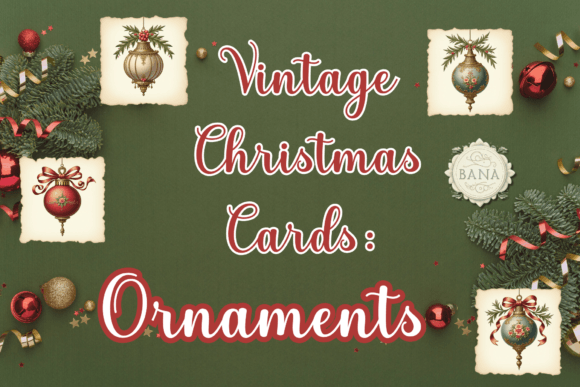
The immediate appeal of Vintage Christmas and New Year Cards lies in its aesthetic mood. It taps into that warm, nostalgic feeling of holiday traditions past. From a design perspective, this category of Illustrations often relies on intricate details, soft lines, and a specific color palette that evokes history. When evaluating this for real-world use, my first question is always about complexity. Does the design rely on tiny, fragile details that will break during stitching? Or does it have bold, clear shapes that translate well to thread?
In this case, the visual personality suggests a design that thrives on balance. It is not overly dense, which is a relief. Heavy density can make garments stiff and uncomfortable, especially on items like baby clothes or lightweight tote bags. The layout appears to respect the limitations of embroidery, avoiding those impossible gradients that look great in print but fail miserably with thread. For a crafter or Etsy seller, this means the final product will look professional rather than amateurish.
Real-World Application: From Screen to Sweatshirt
Let’s talk about where this design actually shines. I recently considered using a similar vintage-style concept for a custom sweatshirt embroidery project. The goal was to create a cozy, heirloom-quality piece that a customer could wear throughout the holiday season. Vintage Christmas and New Year Cards fits this brief perfectly. On a heather grey or cream-colored fleece, the design stands out without being aggressive. It feels intentional and curated.
Beyond apparel, this design has strong potential for home decor. Imagine this stitched onto a linen tote bag design or a set of kitchen tea towels. The vintage theme pairs beautifully with natural fibers like cotton and linen. For small shop product lines, consistency is key. If you are building a brand around rustic or traditional holiday aesthetics, this design asset helps maintain that visual identity. It works equally well as a standalone motif on a pillow cover or as part of a larger composition on a blanket.
For those selling personalized gift items, the design offers a fantastic base. You can easily add a name or a year below the main illustration using a complementary font. This transforms a standard embroidery project into a bespoke keepsake. Whether it is for a holiday embroidery collection or a winter wedding gift, the versatility here is high. However, context matters. This design would feel out of place on modern, minimalist sportswear. It belongs on fabrics that have texture and warmth.
Technical Considerations and Fabric Choices
While the aesthetic is charming, we must discuss the technical realities. Embroidery is a physical medium, and physics applies. When working with Vintage Christmas and New Year Cards, pay close attention to your stitch density. If the design includes large areas of fill stitch, ensure your machine is properly tensioned. Too tight, and you will distort the fabric; too loose, and the backing will show through.
Fabric choice is critical. This design likely performs best on stable, woven fabrics. If you are attempting this on a stretchy knit, such as a t-shirt, you must use a high-quality cut-away stabilizer. Do not skimp on stabilization. A vintage design loses its charm if it looks warped after one wash. For textured fabrics like towels or wool blends, you may need to adjust your thread colors to ensure enough contrast. A subtle vintage palette might disappear on a busy fabric texture.
Be cautious with small hoop sizes. If the design has intricate corners or fine lettering, shrinking it down to fit a 4x4 hoop might compromise clarity. Always check the minimum recommended size. If the design includes running stitch outlines, ensure they are thick enough to be visible. On dark fabrics, consider using a lighter thread or adding a satin stitch border to make the design pop. Testing on scrap fabric is not optional; it is essential. Stitch out the design on the same material you plan to use for the final finished product.
Commercial Viability and Brand Trust
For commercial embroidery professionals and craft business owners, the quality of your design assets directly impacts customer trust. A sloppy stitch-out suggests a lack of care. Conversely, a clean, crisp execution of Vintage Christmas and New Year Cards signals professionalism. It tells the buyer that you understand your craft.
This design can elevate your design assets portfolio. It is suitable for creating printable mockup images for your online store, helping customers visualize the final item. When used in custom apparel or boutique branding, it adds a layer of sophistication. Buyers are increasingly looking for unique, non-mass-produced items. A well-executed vintage design meets that demand.
However, always verify the licensing terms. Just because a design is beautiful does not mean you can sell it freely. Confirm whether the license allows for commercial use on physical goods. Some designers restrict the number of units you can sell. Protect your business by reading the fine print before you start stitching for clients.
Practical Designer Notes for Success
To get the best results from this design, follow these practical steps:
- Test on Scrap Fabric: Always run a test stitch on the actual fabric you intend to use. This reveals issues with tension and density before you ruin a expensive garment.
- Check Thread Contrast: Vintage palettes can be muted. Ensure your thread colors stand out against the fabric background. Use a black and white mockup to check value contrast.
- Review Stitch Density: If the design feels too heavy, consider reducing the density slightly in your editing software, if permitted, to prevent fabric stiffness.
- Confirm Hoop Size: Ensure the design fits comfortably within your hoop without hitting the edges. Leave margin for error.
- Inspect Small Details: Zoom in on the digital file. Are there tiny elements that might break? If so, consider simplifying them or increasing their size.
- Use Proper Stabilizer: Match the stabilizer to the fabric. Cut-away for knits, tear-away for wovens. This is non-negotiable for quality.
- Verify Licensing: Double-check the usage rights. Ensure you are compliant with the designer’s terms for selling finished items.
In conclusion, Vintage Christmas and New Year Cards is a strong contender for your holiday collection. It offers a blend of nostalgic charm and practical stitchability. By respecting the technical requirements of embroidery and choosing the right materials, you can create products that delight customers and stand the test of time. Whether you are an experienced decorator or a hobbyist maker, this design invites you to slow down and appreciate the craft of turning thread into tradition.