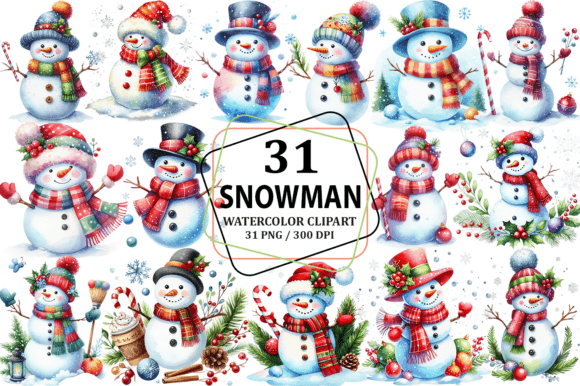
Reviewing Christmas Snowman Clipart Sublimation for Embroidery
As a designer who spends half my life digitizing and the other half stitching, I have learned that not every graphic translates well to thread. When I first pulled up Christmas Snowman Clipart Sublimation, my initial reaction was cautious optimism. The visual appeal is undeniable; it captures that cozy, nostalgic winter mood that sells incredibly well during the holiday season. However, moving from a digital illustration to a tangible handmade product requires a critical eye. This review breaks down how this specific asset performs when translated into a real-world embroidery project, focusing on practical application for Etsy sellers, boutique owners, and serious hobbyists.
First Impressions and Visual Personality
The design falls squarely into the category of Illustrations, which means it relies heavily on shape and silhouette rather than intricate internal detailing. For embroidery, this is often a blessing. Complex gradients in sublimation files can be a nightmare to replicate with thread, but this snowman motif uses clean lines and distinct shapes. The mood is playful yet classic, avoiding the overly cartoonish look that can sometimes cheapen a custom apparel piece. Instead, it feels like something you would find in a high-end boutique window display.
When evaluating the layout, I noticed the balance between negative space and filled areas. This is crucial for maintaining the integrity of the fabric. A design that is too dense can cause puckering, while one that is too sparse might look unfinished. This particular clipart strikes a nice middle ground, suggesting that with proper digitizing, it could work beautifully as a combination of satin stitch borders and fill stitch bodies, or even as a simplified applique design if you want to reduce stitch count and production time.
Real-World Application: The Holiday Tote Bag Test
To truly understand the value of Christmas Snowman Clipart Sublimation, I mentally placed it on a canvas tote bag—a staple item for any craft business during Q4. Imagine a natural cotton tote with this snowman stitched in crisp white and vibrant carrot-orange thread. The contrast against the neutral fabric would be striking. Because the design is likely scalable, it fits comfortably within a standard 5x7 or 6x10 hoop size, making it accessible for most home embroidery machines.
Beyond tote bags, this design shines on sweatshirt embroidery. A crewneck sweatshirt in heather grey or navy blue provides the perfect backdrop. The snowman’s cheerful demeanor adds a touch of whimsy without being overwhelming. For small shop product lines, consistency is key. If you are creating a holiday collection, this asset can serve as a anchor piece, appearing on pillows, aprons, and even embroidered patch creations that customers can iron or sew onto their own jackets. The versatility here is a major selling point for commercial embroidery ventures looking to maximize their return on investment for a single digital embroidery file.
Considerations for Baby Items and Delicate Fabrics
While the design is charming, I would exercise caution when applying it to baby embroidery projects. Newborn skin is sensitive, and the back of the embroidery must be soft. If you choose to stitch this directly onto a onesie or blanket, you must pay close attention to stitch density. High-density fills can create a stiff, scratchy patch that irritates delicate skin. In this scenario, I recommend using a lightweight cut-away stabilizer and possibly opting for a running stitch outline rather than a heavy satin border. Alternatively, consider using the design as a printed element combined with minimal embroidery accents to keep the garment soft and comfortable.
Navigating Technical Challenges
No design is without its pitfalls, and understanding where Christmas Snowman Clipart Sublimation might struggle is just as important as knowing where it succeeds. One common issue with illustrative clipart is the translation of small details. If the original file includes tiny elements like snowflakes or facial features, these can get lost or become messy when stitched out, especially on textured fabrics like terry cloth towels or fuzzy fleece.
For curved surfaces like caps, the design needs careful placement. A large, wide snowman might distort when stitched on the front panel of a baseball cap. In such cases, scaling down the image and simplifying the internal details is essential. Additionally, when working on dark fabric, thread color choice becomes critical. You cannot rely on subtle shading; you need high-contrast thread colors to ensure the snowman pops. A white snowman on black fabric looks stunning, but only if the digitizing accounts for pull compensation and proper underlay stitches to prevent the dark fabric from showing through.
Another area requiring attention is washing durability. Holiday items, particularly kitchen towels and aprons, undergo frequent laundering. To ensure your finished product maintains its professional appearance, test the design on scrap fabric first. Check for thread breakage or fabric puckering after multiple wash cycles. This step builds customer trust and protects your brand reputation. A personalized gift is meant to be cherished, not discarded because the embroidery unraveled after two washes.
Enhancing Brand Value and Customer Engagement
From a business perspective, the quality of your design assets directly impacts perceived value. Using a well-chosen Christmas Snowman Clipart Sublimation allows you to create cohesive design assets for your marketing materials. You can use the digital file to create printable mockup images for your online store, giving customers a clear idea of what the final item will look like. This transparency reduces return rates and increases buyer confidence.
Furthermore, this type of holiday-themed imagery drives engagement. It evokes emotion and nostalgia, which are powerful drivers in consumer behavior. Whether you are selling on Etsy, at local craft fairs, or through your own website, a charming snowman design can differentiate your holiday embroidery offerings from generic competitors. It signals that you care about aesthetics and quality, reinforcing your position as a skilled maker rather than just a reseller.
Practical Designer Notes for Implementation
- Test Before You Sell: Always stitch a sample on the actual fabric you plan to use. Fabric texture and weight significantly affect the outcome.
- Check Licensing: Before using Christmas Snowman Clipart Sublimation for commercial purposes, confirm the license terms. Ensure you have the right to sell finished physical items or if restrictions apply to digital redistribution.
- Optimize Digitizing: If you are converting this illustration yourself, pay attention to stitch direction. Changing angles can add depth and prevent the design from looking flat.
- Contrast is Key: Use a color wheel to select thread combinations that stand out against your chosen fabric background. Avoid low-contrast pairings unless going for a subtle, tonal look.
- Stabilizer Selection: Match your stabilizer to your fabric. Use tear-away for stable woven fabrics and cut-away for stretchy knits to prevent distortion.
In conclusion, Christmas Snowman Clipart Sublimation is a versatile and appealing asset for the modern embroiderer. While it originates as a digital illustration, its potential in the physical realm is vast. By approaching it with a designer’s eye—considering stitch density, fabric compatibility, and end-use functionality—you can transform a simple clipart file into a standout handmade product. Whether you are decorating a tote bag design for a holiday market or creating a line of custom apparel for clients, this snowman offers a charming, professional foundation for your creative work. Just remember to respect the technical limitations of embroidery machines and prioritize quality in every stitch.