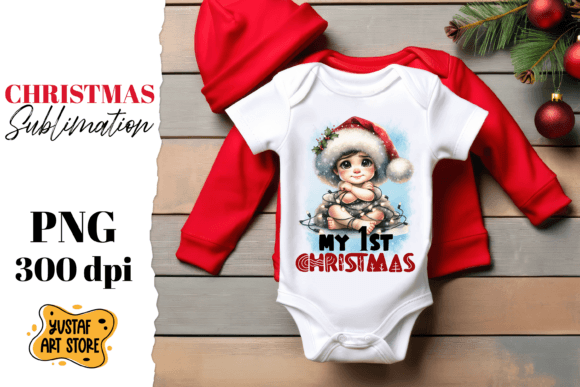
Reviewing Christmas Holiday Clipart PNG for Embroidery
As a designer who spends half my life digitizing and the other half stitching, I have learned that not every pretty picture translates well to thread. When I first pulled up the Christmas Holiday Clipart PNG, my initial reaction was one of cautious optimism. Visually, it is charming—a classic example of festive Illustrations that capture the warmth of the season. But as an embroidery product reviewer, I do not look at a file and see just a picture; I see potential puckering, thread breaks, and hoop constraints. I see the difference between a digital asset that looks good on a screen and a machine embroidery design that holds up on a washed sweatshirt.
In this review, I am evaluating how this specific clipart performs when moved from the digital realm into the tactile world of needle and thread. Whether you are an Etsy seller looking to expand your holiday catalog or a hobbyist making personalized gifts, understanding the practical limitations and strengths of this design is crucial before you hit "start" on your machine.
The First Impression: Mood and Visual Personality
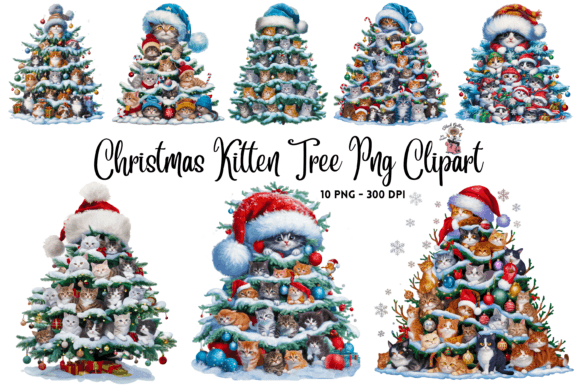
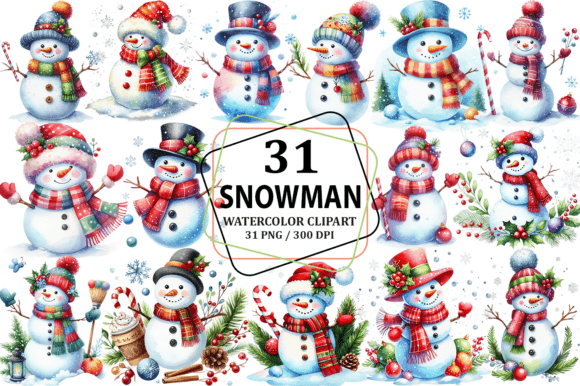
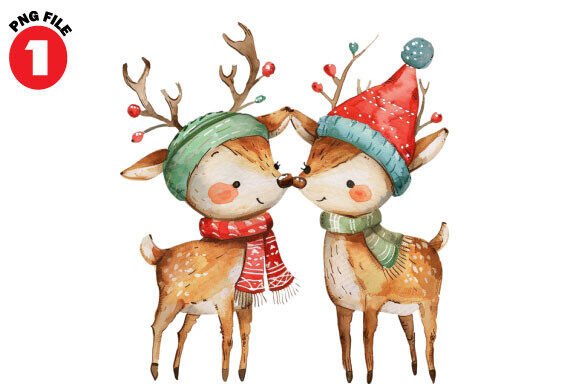
The Christmas Holiday Clipart PNG exudes a cozy, traditional holiday mood. The lines are clean, and the thematic elements are instantly recognizable, which is vital for commercial appeal. In the context of Illustrations, simplicity often wins because it reduces visual noise. For embroidery, this is a double-edged sword. Simple shapes allow for bold stitching, but they also expose any lack of precision in digitizing.
When I imagine this design stitched out, I see it working best as a focal point rather than an all-over print. The visual personality suggests warmth and nostalgia, making it ideal for holiday embroidery projects that aim to evoke comfort. It does not scream for attention with chaotic details; instead, it invites a closer look. This restraint is excellent for custom apparel where you want the garment to remain wearable and stylish, not just a billboard for a graphic.
Real-World Application: The Tote Bag Test
To truly test the viability of this design, I mentally placed it on a canvas tote bag. This is a common small shop product during the holiday rush. Canvas has a distinct fabric texture that can swallow fine details. If the Christmas Holiday Clipart PNG relies on tiny, intricate lines, they will get lost in the weave of the cotton. However, if the design utilizes broader shapes, it will pop beautifully against the neutral background.
I envision using a combination of satin stitch for the outlines and fill stitch for the larger internal areas. This approach adds dimension and prevents the design from looking flat. For a tote bag design, durability is key. Customers will toss these bags into washing machines. Therefore, the stitch density must be balanced—dense enough to cover the fabric without creating a stiff, cardboard-like patch that cracks over time. If you are using this as a base for an applique design, the clipart serves as a perfect placement guide, allowing you to use contrasting fabrics to create texture without excessive thread buildup.
Apparel and Accessories: Sweatshirts and Caps
Moving to sweatshirt embroidery, the stakes change. Fleece and cotton blends are forgiving, but they are also thick. Here, the Christmas Holiday Clipart PNG needs to be scaled correctly. A design that looks delicate on a monitor might disappear on a chunky knit sweater. I recommend testing the design at various sizes to ensure the thread colors maintain their contrast against the garment.
Caps present a unique challenge due to their curved surface. Stitching on a curved hoop size requires careful attention to pull compensation. If the clipart has long, straight lines, they may bow outward on a cap. For an embroidered patch intended for a hat, I would suggest adding a border or backing to stabilize the edges. This ensures the finished product looks professional and maintains its shape after wear.
Navigating Fabric and Technical Constraints
Not every fabric is a friend to every design. When working with the Christmas Holiday Clipart PNG, you must consider the material. On stretchy fabric like jersey knits, a heavy fill stitch can cause distortion. In these cases, using a cut-away stabilizer is non-negotiable. For thin fabrics, such as silk or lightweight cotton for baby embroidery, you must reduce the stitch density to prevent perforation. A dense design on a onesie can feel scratchy and uncomfortable against sensitive skin.
Dark fabrics require special consideration for thread colors. If the clipart features light elements, you may need to lay down a white underlay to ensure vibrancy. Without this step, the dark fabric can mute the colors, making the design look dull. Always test your embroidery file on scrap fabric of the same type and color before committing to the final handmade product.
Commercial Value and Brand Consistency
For craft business owners, the aesthetic consistency of your products builds brand trust. The Christmas Holiday Clipart PNG offers a versatile look that can fit into various branding styles, from rustic to modern minimalist. Using high-quality design assets like this elevates the perceived value of your personalized gift items. Customers are willing to pay more for items that look professionally finished.
When creating printable mockup previews for your online store, ensure the digital representation matches the stitched reality. Misleading images lead to returns and negative reviews. Use the clipart to create cohesive social media content, showing the design in situ on mugs, pillows, and apparel. This helps buyers visualize the embroidery project in their own homes.
Practical Designer Notes for Best Results
Before you begin your next commercial embroidery run, keep these practical tips in mind:
- Test on Scrap Fabric: Always stitch a sample on the exact fabric you plan to use. This reveals issues with tension and density.
- Check Thread Contrast: Ensure your thread colors stand out against the fabric. Use a color wheel to find complementary shades.
- Review Stitch Density: Adjust the density based on the fabric weight. Lighter fabrics need less density.
- Confirm Hoop Size: Make sure the design fits within your available hoop size without requiring re-hooping, which can cause alignment errors.
- Inspect Small Details: Zoom in on the digital file. Are there tiny elements that may break or bunch up? Simplify if necessary.
- Use Proper Stabilizer: Match the stabilizer to the fabric. Tear-away for stable woven fabrics, cut-away for knits.
- Verify Licensing: Before selling finished product items, confirm that the license for the digital embroidery file or clipart allows for commercial use.
In conclusion, the Christmas Holiday Clipart PNG is a strong contender for your holiday lineup, provided you respect the technical requirements of embroidery. It is not just a picture; it is a blueprint for texture and form. By approaching it with a designer’s eye and a stitcher’s patience, you can create small shop product lines that delight customers and stand the test of time. Whether for a wedding gift, a kitchen towel, or a boutique apron, this design has the potential to shine when handled with care.