Reviewing the Whimsical Line Art Christmas Tree Design
As a designer who has spent countless hours digitizing and testing machine embroidery design files, I have learned that not all artwork translates well to thread. Some designs look stunning on a screen but become a tangled mess under the needle. Recently, I evaluated the Whimsical Line Art Christmas Tree to determine its viability for real-world projects. This review is not just about aesthetics; it is about practical application for embroidery designers, small business owners, and crafters who need reliable assets for their holiday collections.
First Impressions: Mood and Visual Personality
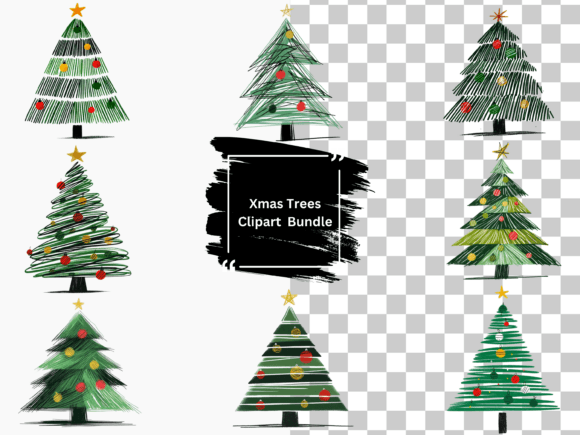
The first thing that strikes you about the Whimsical Line Art Christmas Tree is its playful simplicity. Unlike traditional, dense pine tree motifs that rely heavily on fill stitch coverage, this design leans into negative space and clean lines. It creates a mood that is modern, lighthearted, and approachable. For those of us working in the Illustrations category, this style bridges the gap between hand-drawn charm and digital precision.
The layout feels balanced without being rigid. The whimsical nature suggests movement, as if the tree is swaying gently in a winter breeze. This visual personality makes it distinct from the stiff, symmetrical trees often found in generic holiday packs. It feels curated rather than mass-produced, which is a critical factor when building a brand identity for an Etsy shop or boutique.
Real-World Application: From Screen to Stitch
To truly test the Whimsical Line Art Christmas Tree, I imagined several common production scenarios. Let’s consider a custom embroidered tote bag. Tote bags are typically made from canvas or heavy cotton, fabrics that can handle moderate stitch density. Because this design utilizes running stitch and open lines rather than solid blocks of color, it sits lightly on the fabric. It does not pucker the material, a common issue with heavier designs on flexible surfaces.
Another ideal application is sweatshirt embroidery. When placing a design on a fleece or cotton-blend hoodie, bulk is the enemy. A dense tree design can feel stiff and uncomfortable against the skin. However, the line-art approach of this specific file ensures the finished product remains soft and wearable. I envision this looking particularly striking on the left chest area of a crewneck, offering a subtle yet festive accent that appeals to customers seeking minimalist holiday apparel.
For baby embroidery projects, such as onesies or burp cloths, the gentle lines are equally appropriate. Babies have sensitive skin, and avoiding high-density stitches reduces irritation. The whimsical shape is engaging for children without being overly complex or visually chaotic. It serves as an excellent base for a personalized gift, where a name could be added below the tree using a complementary script font.
Fabric Considerations and Technical Challenges
While the design is versatile, it is not without its technical nuances. Embroidery designers must pay close attention to fabric texture and color contrast. Since the Whimsical Line Art Christmas Tree relies on outlines, it requires sufficient contrast between the thread colors and the fabric background. Stitching white thread on a cream-colored linen towel, for example, might result in poor visibility. In such cases, I recommend testing darker thread colors or using a stabilizer that provides a contrasting backing if the fabric is sheer.
Stretchy fabrics present another challenge. If you are applying this to a knit cap or a stretchy t-shirt, proper stabilization is non-negotiable. Even though the stitch density is likely lower than a fill-heavy design, any distortion in the fabric will warp the delicate lines of the tree. Always use a cut-away stabilizer for stretchy garments to maintain the integrity of the shape after washing.
Curved surfaces, such as the front panel of a baseball cap, require careful hooping. The whimsical curves of the tree must align with the curvature of the cap to avoid looking distorted. I advise creating a printable mockup to visualize the placement before stitching. This step saves time and materials, ensuring that the final embroidered patch or direct stitch looks professional.
Enhancing Product Value and Brand Consistency
In the competitive world of handmade products, presentation is everything. The Whimsical Line Art Christmas Tree offers a high perceived value because it looks intentional and artistic. Customers often associate clean, modern line art with higher-end boutique items. By incorporating this design into your small shop product line, you signal that your brand is current and stylish.
This design also supports brand consistency. If your shop specializes in modern, minimalist decor, this tree fits seamlessly alongside other simple geometric or line-based motifs. It avoids the cluttered look that can sometimes plague holiday collections, allowing your other products to shine. For digital product sellers, this asset can be used in promotional graphics, social media posts, and printable mockups to create a cohesive visual narrative around your holiday launch.
Practical Designer Notes for Best Results
Before committing to a large production run, there are several steps every crafter should take. First, always test the design on scrap fabric that matches your final product. This allows you to check thread color contrast and inspect small details for clarity. Pay attention to how the machine handles the turns and corners of the whimsical lines. If you notice excessive jumping or thread breaks, you may need to adjust your tension or slow down the machine speed.
Review the stitch density settings if your software allows for editing. While most pre-digitized files are optimized, knowing the density helps you choose the right stabilizer. For lightweight fabrics like silk or rayon, a lighter stabilizer might be necessary to prevent stiffness. For heavy denim or canvas, a standard medium-weight stabilizer usually suffices.
It is also crucial to confirm licensing terms before selling finished items. Ensure that the digital embroidery file you purchase includes commercial use rights if you plan to sell embroidered patches, aprons, or other merchandise. Respecting intellectual property is fundamental to maintaining professionalism and trust in the creative community.
Finally, consider the washability of the finished product. Holiday items, especially kitchen towels and aprons, undergo frequent washing. Test a stitched sample through several wash cycles to ensure the threads do not fray and the shape holds up. This due diligence protects your reputation as a seller and ensures customer satisfaction.
Final Verdict on the Whimsical Line Art Christmas Tree
The Whimsical Line Art Christmas Tree is a strong contender for any designer’s holiday toolkit. Its strength lies in its adaptability and modern aesthetic. It performs well on a variety of fabrics, from sturdy canvas to soft knits, provided that proper stabilization techniques are used. It is particularly effective for custom apparel, tote bag designs, and personalized gifts where a light touch is preferred over heavy ornamentation.
For Etsy sellers and craft business owners, this design offers a fresh alternative to traditional holiday motifs. It allows for creative experimentation with thread colors and placement, enabling makers to produce unique, eye-catching items that stand out in a crowded market. By approaching this design with a critical eye and practical testing, you can leverage its whimsical charm to enhance your product offerings and delight your customers this holiday season.