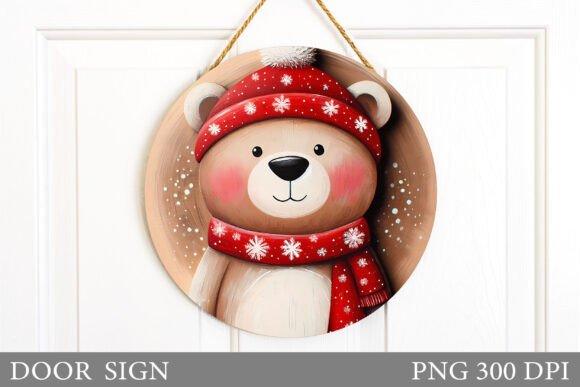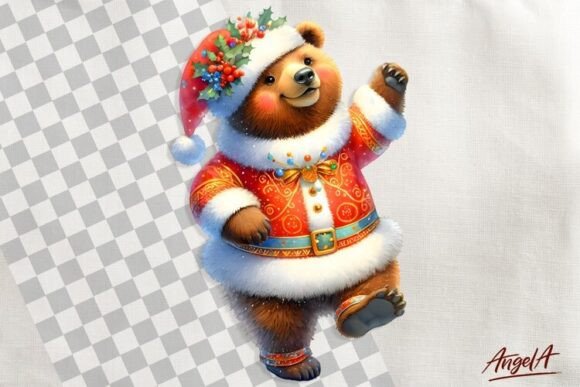
Christmas Bear Clipart: Festive Illustrations for Branding
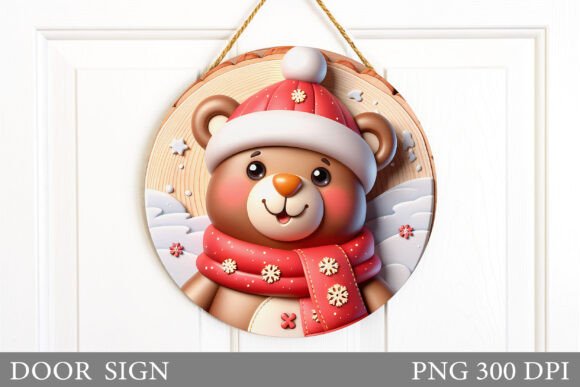
As a brand designer and content marketer, I approach every graphic design asset with a critical eye. It is not enough for an image to be cute; it must serve a strategic purpose within a broader marketing ecosystem. Recently, I evaluated Christmas Bear Clipart Christmas Clipart for a potential holiday campaign, and the results offered valuable insights into how seasonal Illustrations can elevate small business branding. This review explores the practical application of this asset, moving beyond aesthetics to discuss audience perception, visual consistency, and commercial viability.
First Impressions: Mood and Audience Perception
The immediate impact of Christmas Bear Clipart Christmas Clipart is warmth. In a digital landscape often cluttered with aggressive sales tactics, this asset offers a soft, inviting entry point. The mood it creates is nostalgic yet fresh, striking a balance that appeals to both traditionalists and modern consumers. For brand owners, this emotional tone is crucial. It signals approachability and care, which are key drivers of audience trust.
When considering where this fits, it feels most suitable for casual branding, handmade products, and lifestyle content. It lacks the cold rigidity of corporate imagery, making it ideal for businesses that want to humanize their brand identity. However, it is versatile enough to work in premium visuals if paired with sophisticated typography and ample white space. The key is ensuring the asset does not look messy. A clean, well-integrated illustration supports content that needs to attract attention without overwhelming the viewer.
Strategic Application in Marketing Campaigns
To test the utility of Christmas Bear Clipart Christmas Clipart, I framed its usage around a real-world scenario: a small business launching a seasonal gift box. The goal was to create a cohesive content kit that spanned social media, email, and packaging. Here is how this digital product performed across various channels:
- Social Media Graphics: On Instagram and Pinterest, the clipart served as a focal point for carousel posts. Its clear lines and festive theme increased engagement, as users paused to appreciate the detailed illustration. It worked exceptionally well for Pinterest pins, where vertical layouts benefit from strong central imagery.
- Email Banners: In header designs, the bear provided a friendly greeting without distracting from the call-to-action. It helped improve open rates by making the email feel personal rather than transactional.
- Packaging Design: For product labels and stickers, the asset translated beautifully. Whether used as a PNG design on a transparent background or integrated into a larger design bundle, it added a professional touch to physical goods.
- Digital Ads: In Facebook and Instagram ads, the clipart helped stop the scroll. However, success depended on maintaining a clear visual hierarchy. The bear needed to support the message, not compete with it.
This versatility highlights why such assets are essential for content marketing. They allow creators to maintain professional branding across multiple touchpoints, ensuring that the customer experience is consistent from the first ad impression to the unboxing moment.
Enhancing Visual Hierarchy and Brand Consistency
One of the strongest arguments for using Christmas Bear Clipart Christmas Clipart is its ability to strengthen visual hierarchy. In editorial design or blog graphics, text-heavy layouts can feel dense and intimidating. Introducing a relevant illustration breaks up the content, guiding the eye and providing visual rest. This improves readability and keeps the audience engaged longer.
Furthermore, consistent use of specific design assets builds recognition. If a brand uses this bear motif across its Canva template library, website headers, and promotional flyers, it creates a memorable campaign visual. Customers begin to associate the character with the brand’s values—warmth, reliability, and festive cheer. This emotional connection is difficult to achieve with generic stock photography, making custom-style clipart a powerful tool for small business branding.
Where to Use It and Where to Exercise Caution
While Christmas Bear Clipart Christmas Clipart is a robust asset, it is not a one-size-fits-all solution. Understanding its limitations is just as important as knowing its strengths.
Best Use Cases:
- Hero Graphics: Use it as the main visual in campaign headers or landing pages to set the seasonal tone immediately.
- Branded Templates: Incorporate it into reusable templates for quotes, announcements, or testimonials to add a consistent decorative element.
- Packaging Accents: It shines on physical items like thank-you cards, tissue paper seals, and product tags, enhancing the unboxing experience.
- Content Bundles: Combine it with other festive elements to create comprehensive media kits for influencers or partners.
Use With Caution:
- Formal Corporate Branding: If your brand voice is strictly professional or serious, this whimsical style may undermine your authority.
- Dense Information Layouts: Avoid placing it near complex data tables or lengthy legal text, as it can create visual noise.
- Small Mobile Graphics: Ensure the details remain visible at smaller sizes. Test readability on mobile screens to prevent the image from becoming a blurry blob.
- Low-Contrast Backgrounds: Always check how the illustration performs against various background colors. Poor contrast can render the asset invisible or hard to distinguish.
Practical Designer Notes for Implementation
Before integrating Christmas Bear Clipart Christmas Clipart into a paid campaign or client work, I recommend a rigorous testing phase. First, test the asset against your existing brand color palette. Does it harmonize, or does it clash? Adjusting saturation or brightness may be necessary to ensure modern design standards are met.
Second, check black and white usage. A strong SVG design should hold up even when stripped of color, which is useful for faxed documents, simple receipts, or minimalist print applications. Third, preview the asset inside real campaign mockups. Seeing it on a phone screen, a billboard, or a product box reveals issues that flat files do not show.
Typography pairing is another critical factor. Experiment with serif fonts for a classic, storybook feel; sans serif fonts for a clean, contemporary look; or script and handwritten fonts for a personal, artisanal touch. Avoid overly decorative display fonts that might compete with the illustration’s details. Review spacing and balance carefully, ensuring the bear has enough breathing room to stand out.
Finally, always confirm the commercial license. Whether you are creating printable design products for sale or using the image in digital ads, understanding usage rights is non-negotiable. Protect your business by ensuring the asset is cleared for commercial use, especially if you are operating within a competitive creative marketplace.
In conclusion, Christmas Bear Clipart Christmas Clipart is more than just a festive image. It is a strategic tool for enhancing marketing visuals, building audience trust, and creating memorable brand identity moments. When used with intention and technical precision, it transforms ordinary content into engaging, professional-grade communications that resonate with customers during the holiday season.